

Key facts
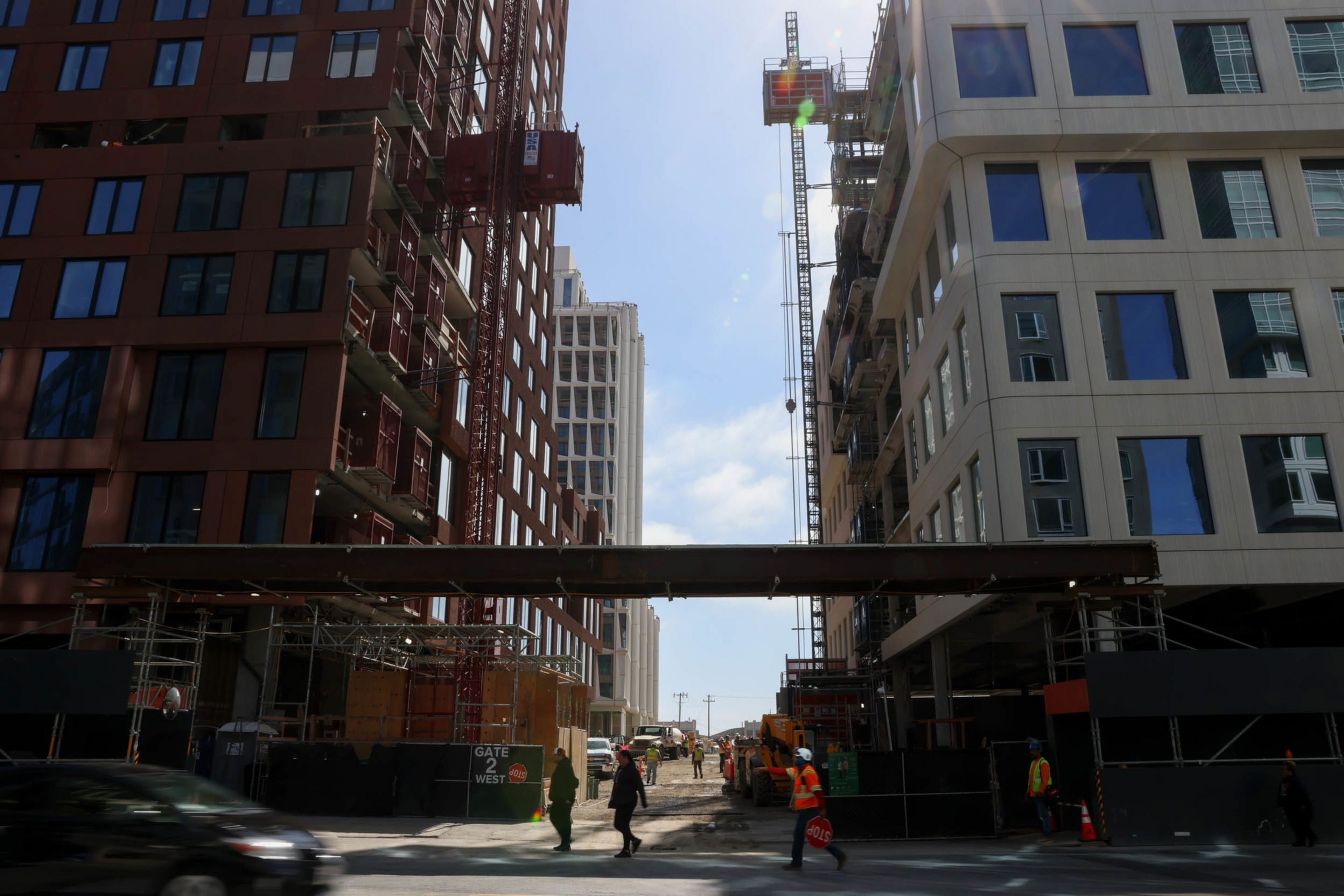
Mayor Daniel Lurie and Supervisor Bilal Mahmood are reviving a proposal to cut the transfer tax on large real estate transactions, a move they say could activate the stalled construction of tens of thousands of housing units.1 2
The latest iteration of the legislation, called the BUILD Act, would reduce transfer taxes on properties between $10 million and $25 million from 5.5% to 3.5%, while the tax on sales of $25 million or more would be cut from 6% to 4%.1
Lurie and Mahmood say the latest iteration of the legislation is “revenue neutral.”.1 The revenue-neutral claim means the city won’t hurt its finances because a recently passed ballot measure will raise roughly the amount of revenue that the city will lose if it approves this change.1
Revenue neutrality tied to Prop1 . J
“This is a compromise that remains neutral with respect to the city budget,” Mahmood said.3
Proposition J closed a loophole exempting properties transferred through foreclosure or to avoid foreclosure..1 The city estimated that applying transfer taxes to properties being foreclosed on, or handed over in lieu of foreclosure, could raise between $100 million to $150 million over the first five years..1 J passed with 80% of the vote.1
The legislation comes six years after San Francisco voters approved legislation that doubled the transfer tax, which has generated about $500 million in revenue..1 While the tax revenue has bolstered city coffers during the economic downturn caused by the pandemic, housing advocates say a 6% transfer tax has been a major reason why lenders have been unwilling to invest in market-rate housing development in San Francisco.1
The city has about 78,000 approved units in its pipeline, but only 6,000 units have been built in the last four years.1 A 2020 analysis from city economists found that doubling the transfer tax would cost developers about $35,000 a unit..1 With construction costs having doubled since then, Mahmood estimates that the current number is at least $60,000 a unit.1
Exemptions for new housing
The legislation would exempt the first sale of newly constructed multi-family housing with three or more units from transfer taxes altogether..1 The legislation would also exempt the first sale of buildings that are part of development agreements, large multi-phased projects such as Pier 70, Treasure Island and the Shipyard, that take decades to complete and require serious investment in infrastructure.1
Corey Smith, executive director of the Housing Action Coalition, said eliminating the transfer tax on new homes is one of the fastest ways to get approved projects off the sidelines and into construction.1
Lurie and Mahmood introduced the BUILD Act in February but paused it a week after the June election..2 Insiders attributed the stall to the city’s budget deficit and concerns that lowering transfer taxes would worsen the fiscal outlook..2 The city budgeted transfer tax revenue at about $360 million this fiscal year, according to a June report from the controller’s office.2
Mahmood said he hopes to have the legislation before the Board of Supervisors for a final vote by the end of the year.1